Modern pedagogy
Student-centred, inquiry-based teaching approaches that go beyond the textbook.
Dhaka 2026 · One-day national conference
Bangladesh's secondary school science teachers, university faculty, scientists and policymakers come together for one day — keynote talks, hands-on labs, panel discussions, and a year-round teachers' network that keeps the learning going long after Dhaka.
"Transforming Science Education: Inspiring Curiosity, Critical Thinking and Innovation."
Organized by


In partnership with
Countdown to 25 September 2026
Why it matters
Four shifts we want every secondary science classroom in Bangladesh to make — and the support teachers need to make them.
Student-centred, inquiry-based teaching approaches that go beyond the textbook.
Low-cost demonstrations and project-based experiments any school can run.
Make complex ideas land — through narrative, analogy and everyday examples.
Space, AI, biotechnology, climate, renewable energy — the next decade in your classroom.
Concept note
A knowledge-based, innovation-driven Bangladesh begins with secondary school classrooms — and the teachers who lead them.
Scientific literacy, critical thinking, creativity and problem-solving are essential for the next generation of scientists, engineers, researchers and informed citizens. Yet many students find science difficult, exam-oriented and disconnected from real life.
Secondary school science teachers shape students' attitudes toward science and their academic choices. Modern teaching methodologies, practical lab skills, inquiry-based learning and exposure to emerging science give teachers the tools to inspire that next generation.
General objective
Enhance the professional capacity of secondary school science teachers in delivering engaging, practical and inquiry-based science education.
Target participants
Specific objectives
Core conference outcomes
Our sessions are specifically designed to address the declining interest in science by empowering teachers to build active, student-led platforms.
By attending the National School Science Teachers' Conference, educators will master two critical extracurricular frameworks.
Outcome A
Teachers will learn how to launch and sustain vibrant science clubs that serve as dedicated spaces for scientific discussion and hands-on experimentation.
Outcome B
Beyond the classroom, teachers will receive a step-by-step blueprint for organizing high-energy science fairs that showcase student innovation and revitalize the school's academic culture.
Resource persons
Organisers, university leaders, government partners and guest science writers joining the programme.
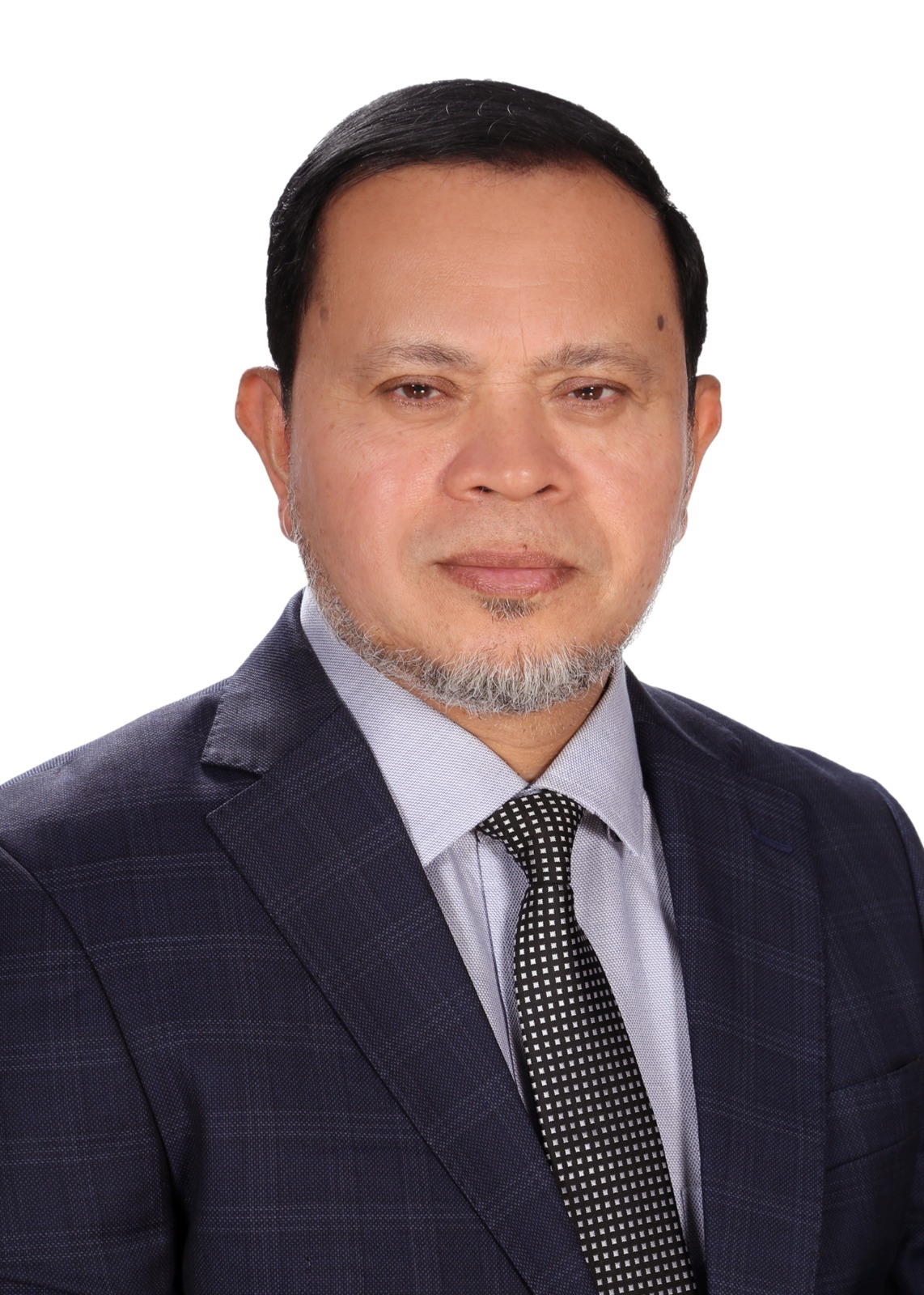
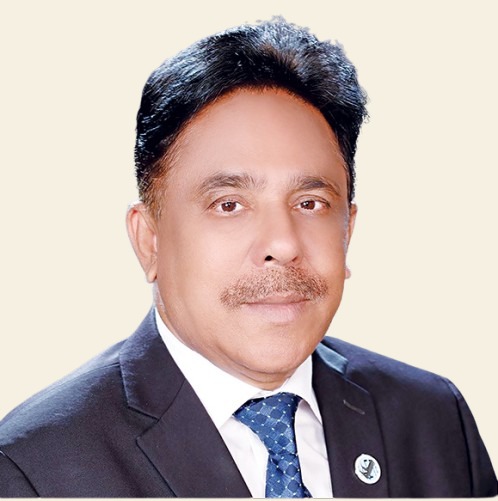
Chairman, BoT
Daffodil International University
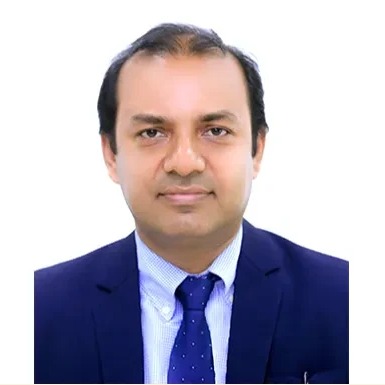
Vice Chancellor
Daffodil International University
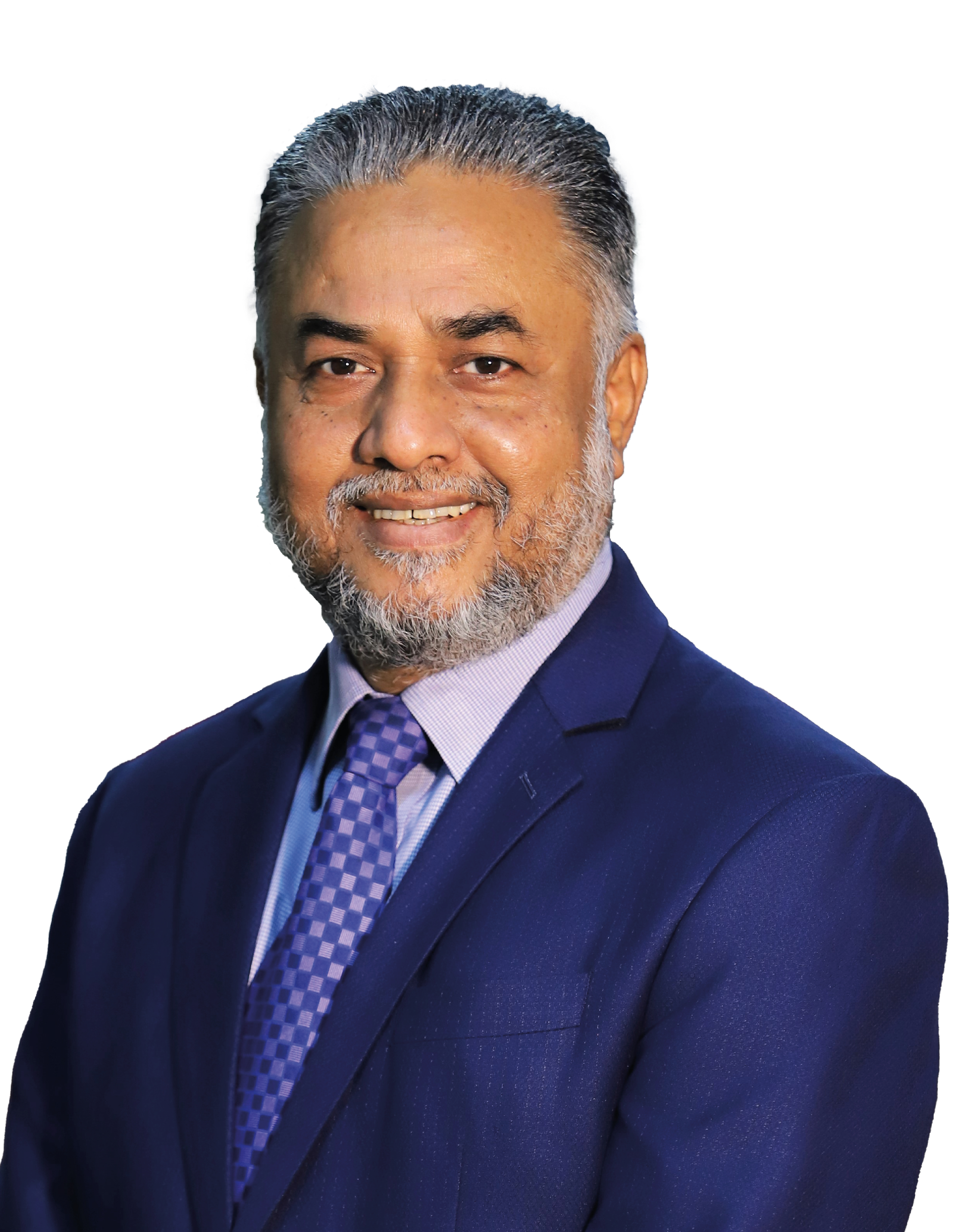
Pro-Vice Chancellor
Daffodil International University
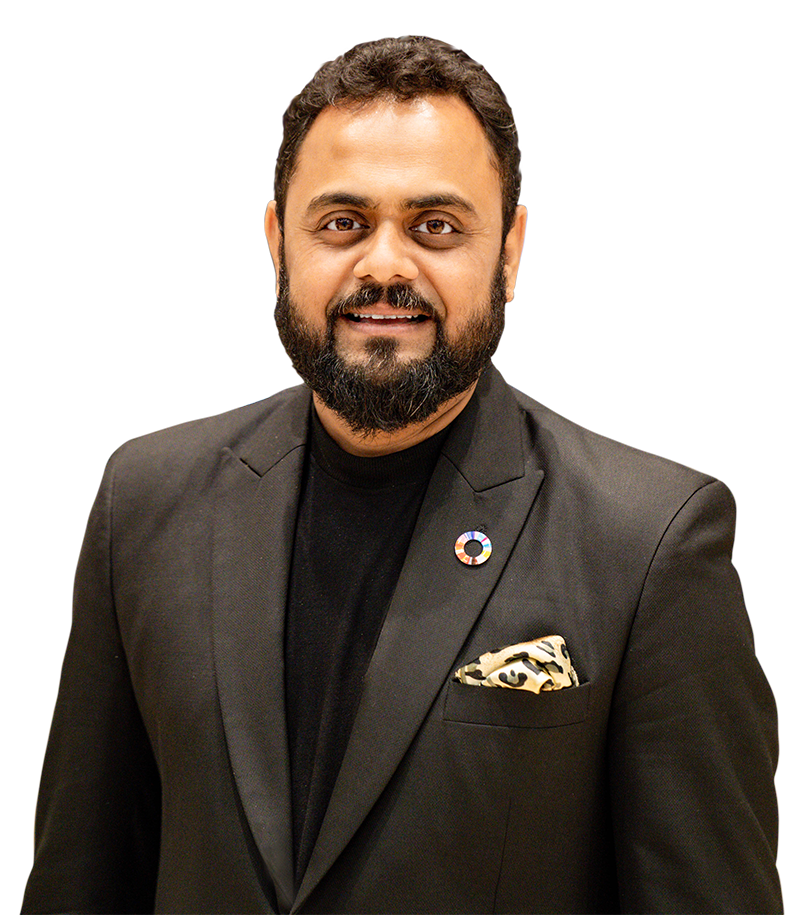
Group CEO
Daffodil Group
Executive Director
Daffodil International Professional Training Institute
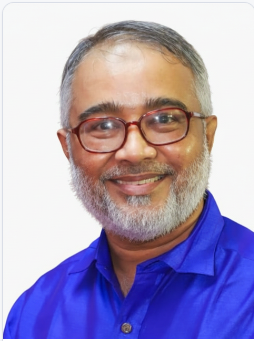
Chief Coordinator
Digital Transformation and Youth Programme, Prothom Alo
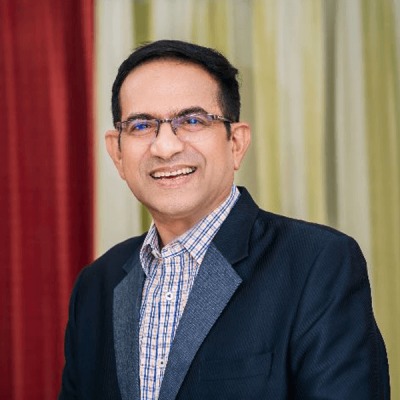
Professor of Practice
Department of Multimedia & Creative Technology, DIU
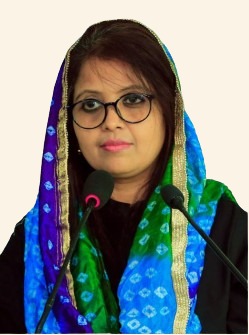
Deputy Director
Daffodil International University
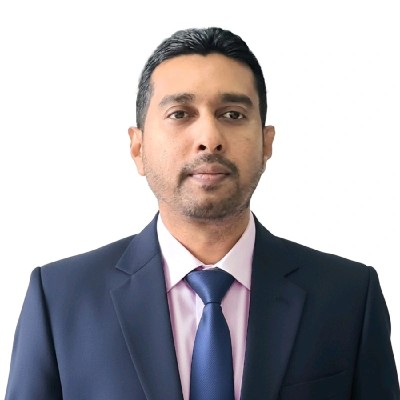
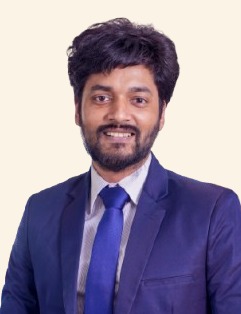
Assistant Director
Human Resource Development Institute
Assistant Director
Human Resource Development Institute (HRDI)
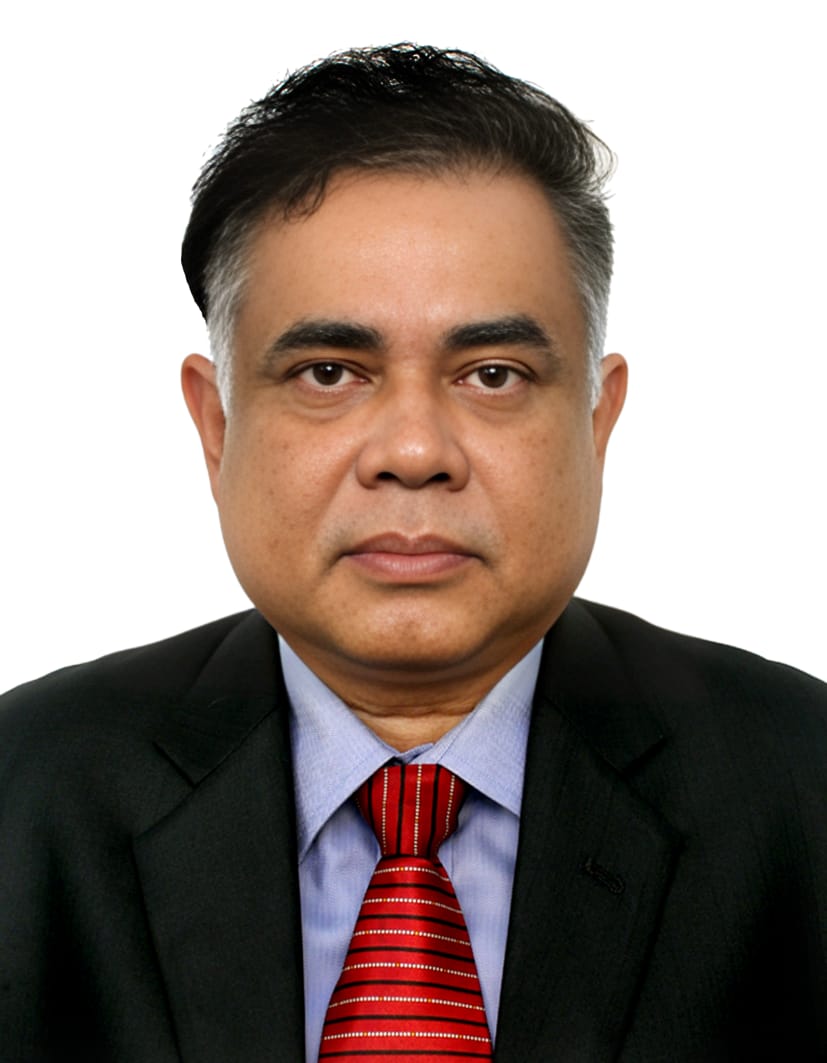
Member (Development), BCSIR
Joint Secretary, Government of the People's Republic of Bangladesh
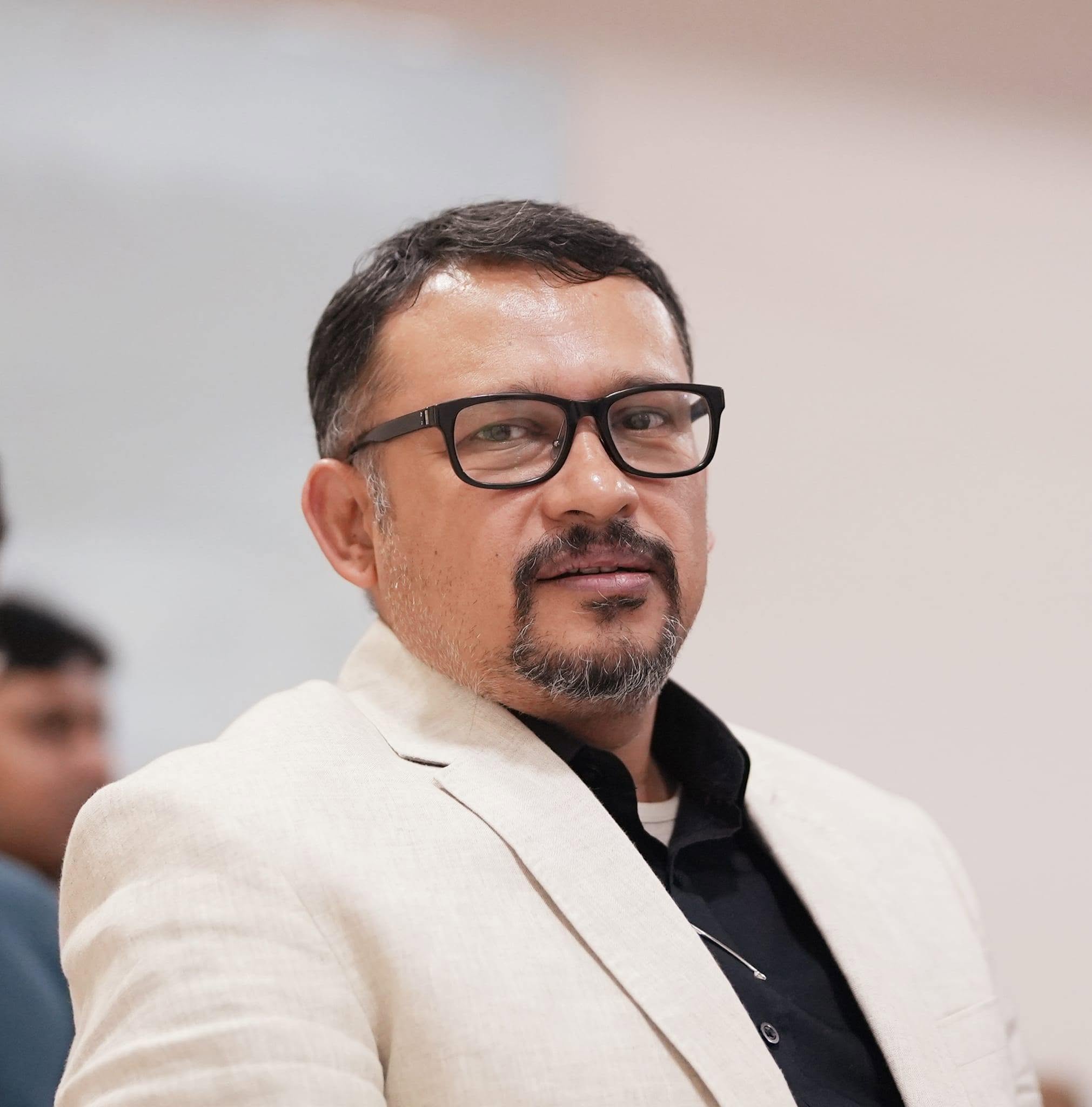
Professor, Electrical & Electronic Engineering
BUET · Popular Science Writer
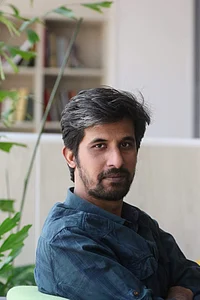
Popular Science Writer, Assistant Editor
Bigganchinta
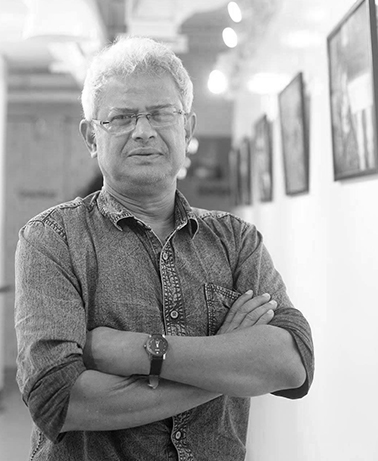
Popular Science Writer, Executive Editor
Bigganchinta, Prothom Alo
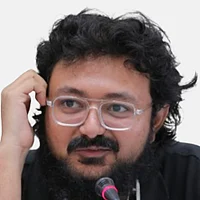
Renowned cartoonist, Editor
Unmad
Popular Science Writer, Sub Editor
Biggan Chinta, Prothom Alo
Day-long agenda
From teachers' check-in through keynotes, parallel breakouts and closing — at Daffodil International University, Savar.
08:30 – 09:00
09:00 – 09:20 opening
Formal opening of the conference
09:20 – 09:30
Science Education as National Priority
Dr. K M Hasan — Executive Director, Daffodil International Professional Training Institute
09:30 – 09:55 keynote
Reimagining Science Education for Bangladesh's Future
Munir Hasan — President, Society for the Popularization of Science, Bangladesh (SPSB); Professor of Practice, Department of Innovation and Entrepreneurship, DIU
09:55 – 10:10 session
Science Beyond the Classroom: Innovative Approaches to Science Learning
Sazzadur Rahman Chowdhury — Executive Director, Bangladesh Freedom Foundation (BFF)
10:10 – 10:30
10:30 – 11:00 session
Inspiring Innovation towards Entrepreneurship: Role of BCSIR
Abul Fatah Md. Baligur Rahman — Member (Development), BCSIR; Joint Secretary, Government of the People's Republic of Bangladesh
11:00 – 11:30 session
Advancing science education with effective English communication: Solutions for teachers and students
Anika Bushra — Account Manager, English and Examinations, Business Development, British Council Bangladesh
11:30 – 11:55 session
Practical Science Teaching Beyond the Textbook
Dr. Farseem Mannan Mohammedy — Professor, Electrical & Electronic Engineering, BUET; Popular Science Writer
11:55 – 12:20 parallel tracks
Hands-On Science (HRDI)
Science Practical Session
Amir Hamza — Assistant Director, Human Resource Development Institute (HRDI)
AI in the Classroom (ICH)
Integrating Artificial Intelligence (AI) In Bangladesh's Education
Syed Eftasum Alam — Lecturer, Department of Computer Science and Engineering, DIU
12:25 – 12:55 panel
Science Communication and Storytelling in the Classroom
13:00 – 14:40
Jummah prayer accommodated
14:45 – 15:05 session
Why is Science Education Important for Women?
Khaleda Yasmin Eti — Science Writer & Development Specialist; Director, Health and Gender, Red Orange Limited
15:05 – 15:25 session
Mental Wellness for Science Educators
Ms. Suchi — Laughter Therapist, Stress Management Speaker, Wellness Mentor
15:30 – 16:00 session
Transforming Teaching Methodology
Dr. Md. Sabur Khan — Chairman, BoT, Daffodil International University
16:00 – 16:30 parallel tracks
The Art of Science · ICH
Inspiring Science Education through Painting
Arif Ahmed — Professor of Practice, Dept. of Multimedia & Creative Technology, DIU
Science in Print · HRDI Conference Room
Popular Science Education
Abdul Gaffar Roni — Popular Science Writer, Assistant Editor, Bigganchinta
Why We Do Science · CSE classroom
Why Do We Pursue Science?
Asifuzzaman — Science Orator & Editor, Science Magazine “Mahabritto”
16:30 – 16:40
16:40 – 16:55 closing
16:55 – 17:00
17:00 – 17:15
Public toolkit
The full lab manual and lesson-kit library opens to nominated and alumni teachers inside the BSSTN hub after the workshop.
Background, rationale, theme, objectives, full programme outline, expected outcomes, target participants and organising partners — the official one-day workshop brief (PDF, A4).
A printable agenda, school action plan template and lab demo cards will be published here closer to the workshop date.
Innovation booths
What teachers take home
Workshop registration
Registration is free and reviewed in batches. The registration pool is open until 20 September 2026. You'll get a confirmation email once your seat is approved.
Your registration is submitted. We'll email you once your seat is confirmed and share the BSSTN hub invite after the workshop.
Participating Schools



Location
The National School Science Teachers' Conference 2026 will be held at 71 Auditorium, Daffodil Plaza, 4/2 Sobhanbag, Mirpur Road, Dhaka-1207, Bangladesh.
71 Auditorium, Daffodil Plaza
4/2 Sobhanbag, Mirpur Road, Dhaka-1207, Bangladesh
Frequently asked
Secondary school science teachers, head teachers, academic coordinators, science club moderators, curriculum developers, teacher trainers, education officers and STEM advocates. Priority is given to practising classroom teachers.
No — registration is free for selected participants. Seats are limited to 150 teachers and reviewed in batches.
Yes. Every teacher who completes the full-day programme receives an official participation certificate, jointly issued by the organising partners.
An official conference kit, event T-shirt, all session materials, and full catering — breakfast, lunch and tea breaks — throughout the day.
Head Masters and academic coordinators can submit a registration on behalf of a staff member through the registration form below, selecting the teacher's subject (Physics, Chemistry, or Biology) and adding the nominated teacher's details in the motivation field.
Yes. Each of the 150 participating teachers is allocated a travel allowance (TA) to cover their transportation costs.
Friday, 25 September 2026, at 71 Auditorium, Daffodil Plaza, 4/2 Sobhanbag, Mirpur Road, Dhaka-1207, Bangladesh. Registration opens at 08:30 and the programme runs until 17:00.
Still have questions? Email [email protected].